
WEATHERING THE STORM
An Integrated Strategy for Disaster Resilience in Jamaica
- A Strategy Tested by the Storm: Hurricane Melissa hit Jamaica hard, causing an estimated $8.8 billion in damage—equivalent to 41% of GDP. However, the storm also demonstrated the value of Jamaica’s decade-long investment in disaster risk management. This proactive approach helped limit wider damage to the economy and public finances, effectively protecting the national workforce and securing jobs. Ultimately, the event served as a definitive proof of concept for years of deliberate investment in resilience.
- Financial Protection at Scale: Jamaica’s disaster risk financing strategy enabled an immediate flow of liquidity to address urgent response needs. Combined with the government’s own contingency resources, the country secured $662 million shortly after the hurricane. This helped fund the immediate response and protect essential public spending, while providing access to a coordinated recovery and reconstruction offer of up to $6.7 billion over the next three years to build long-term resilience.
- Infrastructure That Protects People and Livelihoods: Targeted investments help protect the systems people rely on every day. The $12 million Port Royal Street Coastal Revetment helped safeguard a key route to the international airport and protect jobs linked to transport and maritime activity. Other reforms strengthened safety for more than 29,000 children living with disabilities. Together, these investments have improved critical infrastructure services for about 1.6 million people, or 57% of Jamaica’s population.
- Global Partnerships for Resilience: This progress was made possible through the sustained financial and technical support of international partners. Working alongside the Government of Jamaica, the Global Facility for Disaster Reduction and Recovery (GFDRR)—a global partnership that helps low- and middle-income countries better understand and reduce their vulnerability to natural hazards and climate change—together with the European Union, and the governments of Canada and Japan, provided the critical investments and expertise needed to build this national model for resilience.
The Ultimate Test:
Hurricane Melissa
and the New Climate Reality
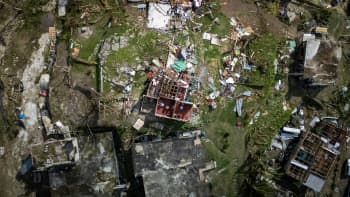
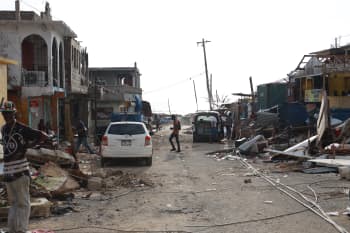
On October 28, 2025, Hurricane Melissa, an unprecedented Category 5 tropical cyclone, made landfall on the southern coast of Jamaica.
The storm brought sustained winds of 185 mph (295 km/h), with gusts reaching a documented 252 mph (405 km/h), making it the most powerful meteorological event in the nation's recorded history and tied for highest sustained wind speed in the Atlantic basin.
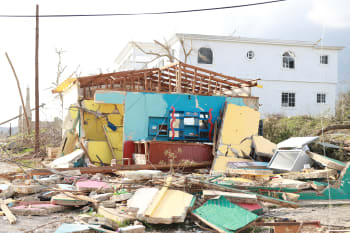
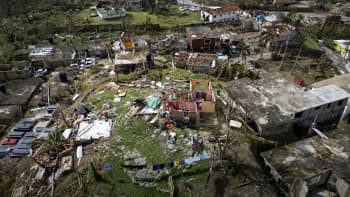
According to the World Bank's Global Rapid Post-Disaster Damage Estimation (GRADE) Report published on November 15, 2025, the storm resulted in an estimated $8.8 billion in direct physical damage. This figure represents approximately 41% of Jamaica’s 2024 Gross Domestic Product (GDP).
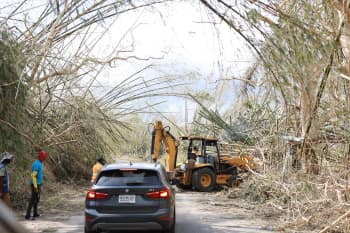
The scale of destruction was vast: over 120,000 residential units required repair or replacement, 77% of the island lost power, and the agricultural sector suffered a devastating loss of 1.25 million livestock and thousands of hectares of crops, threatening the primary source of income for thousands of rural families
Historically, disasters of this magnitude have forced Caribbean nations into cycles of emergency borrowing and debt, draining funds from the public services and infrastructure that enable a thriving labor market and private sector.
For a small island developing state (SIDS) where the majority of GDP is generated in coastal zones, the event represented an existential threat to decades of development gains.
Jamaica's rising temperatures since 1864—visualized in the "climate stripes" below—show dramatic warming over the last 50 years. This atmospheric shift fuels tropical systems, intensifying seasonal storms into catastrophic climate events.
While the storm’s intensity was historic, Jamaica’s response was not reactive.
The Government was able to move quickly without a liquidity crunch, the result of nearly a decade of deliberate investment in disaster risk financing and preparedness systems, embedded within national economic management, supported by partners including the World Bank and the Global Facility for Disaster Reduction and Recovery (GFDRR) —a global partnership that helps low- and middle-income countries better understand and reduce their vulnerability to natural hazards and climate change.

Animated image: Satellite Loop via UW-CIMSS via Wikimedia Commons
Animated image: Satellite Loop via UW-CIMSS via Wikimedia Commons
Taken together, these pre-arranged finance instruments functioned as an integrated disaster risk financing strategy, ensuring that while the physical impact was severe, the country’s macro-fiscal foundation and social stability remained secure.
Physical Protection:
Reinforcing the Urban Waterfront
The first pillar of this integrated approach is physical resilience, built through investments made well before 2025 designed to protect not just structures, but also the livelihoods they support.
The Local Case Study: Port Royal Street
For over 25 years, fishermen in the Southside community of Kingston, such as Jeffrey Chung and Frank Williams, operated from a coastline characterized by severe erosion and vulnerability. Prior to 2020, the lack of formal maritime infrastructure meant that fishing vessels were frequently damaged against jagged rocks during minor swells, and livelihoods were often suspended for weeks following severe weather events.
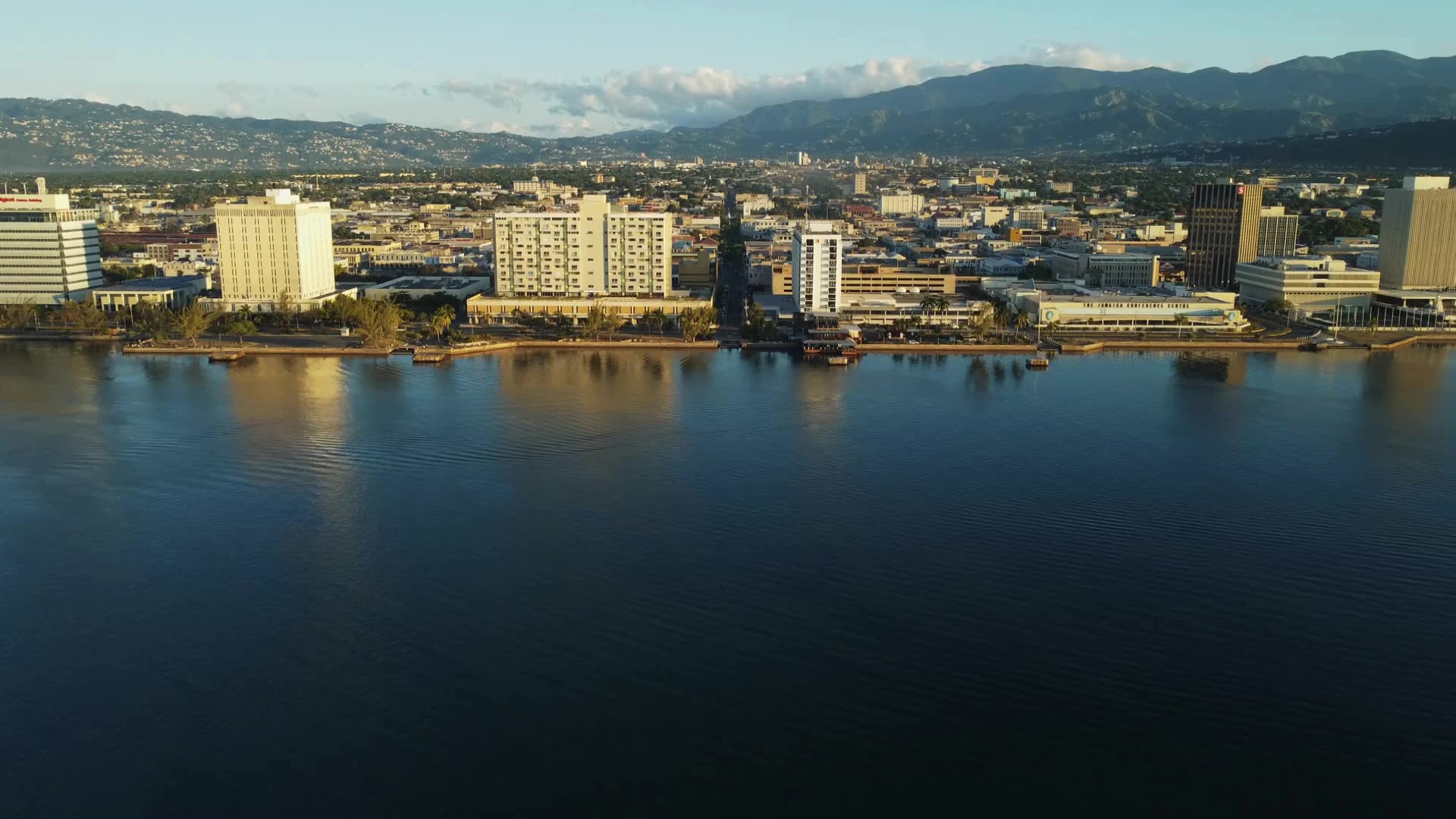
The Port Royal Street Coastal Revetment Project—implemented in 2020 by the Jamaica Social Investment Fund (JSIF) under the World Bank-supported Disaster Vulnerability Reduction Project (DVRP)—has redefined the safety of the capital’s waterfront and was designed specifically to withstand such a climate reality.

Satellite View via Axelspace Corporation / Wikimedia Commons (CC BY-SA 4.0)
Satellite View via Axelspace Corporation / Wikimedia Commons (CC BY-SA 4.0)
This $12 million intervention provided one kilometer of composite seawall and armor stone revetment, alongside an 80-meter beach specifically designed to keep the local fishing industry operational even after severe weather events.
Photo: World Bank Group
When Hurricane Melissa’s storm surge impacted Kingston Harbour, the revetment functioned as intended.
While older, unreinforced sections of the coastline suffered catastrophic failure, the Port Royal Street corridor remained intact. This protected the singular route to the Norman Manley International Airport—a critical hub for tourism and logistics—ensuring that emergency relief supplies could move unimpeded in the hours following the storm.
Building on the immediate success of these coastal defenses, the focus in Kingston has shifted from protection to long-term urban revitalization.
Looking Forward: Urban Livability and Growth
Beyond immediate protection, the DVRP integrated urban livability through a 4.7-meter-wide boardwalk, turning a high-risk zone into a public asset. This vision is now laying the foundation for the Kingston Waterfront Improvement (KIWI) Project, a US$12 million investment signed in October 2024.
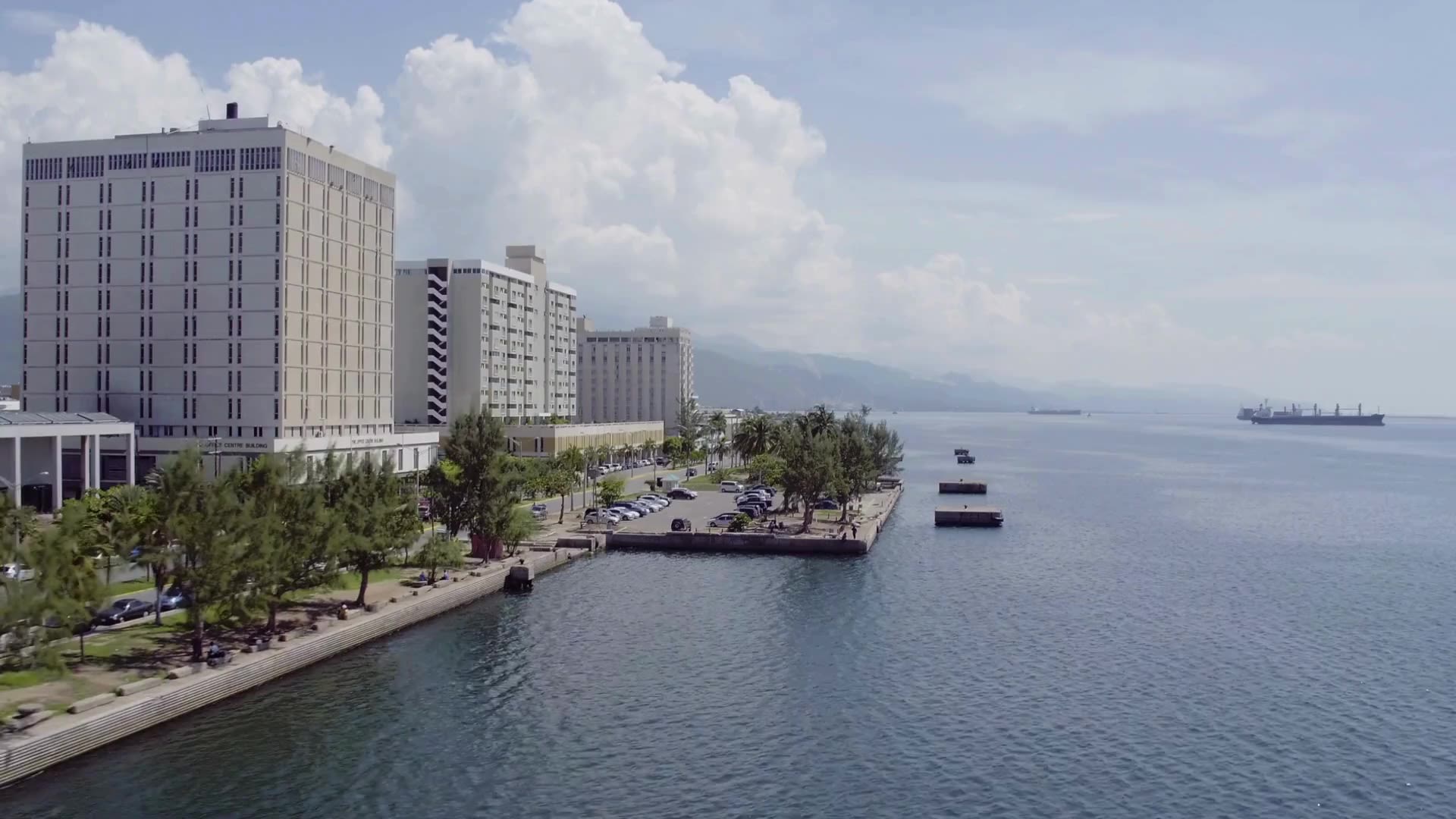
Video: BlackBox via Canva/Shutterstock
Video: BlackBox via Canva/Shutterstock
As Kingston is Jamaica’s most densely populated city, providing resilient public spaces is essential for social cohesion and local service-sector employment. Currently, the city allocates only 11.3% of its urban area to open public spaces, well below international recommendations.
The KIWI Project, supported by the European Union, Canada, and the World Bank, aims to address this gap by developing multi-use, climate-resilient parks that incorporate nature-based solutions to mitigate heat and flood risks.
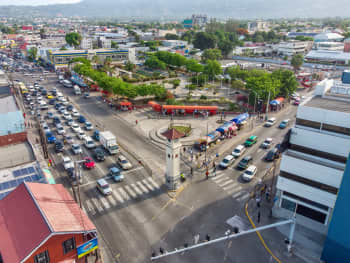
While these projects are transforming the capital’s shoreline, they represent just one facet of a much broader, national effort to reinforce Jamaica’s critical infrastructure.
National Resilience through the DVRP
The impact of the DVRP extends well beyond this single site. Across the island, investments have strengthened critical infrastructure systems that underpin daily life and emergency response. Specifically, upgrading 891 meters of drainage and rehabilitating 336 meters of bridges in flood-prone communities has benefited over 520,000 people before the first winds of Melissa were ever recorded.
Coastal protection measures, including beach nourishment and engineered defenses in areas such as Annotto Bay, have reduced erosion and storm surge impacts for approximately 115,000 people, with these interventions already battle-tested during Hurricane Beryl in 2024.
Emergency response capacity has also been significantly strengthened.
New and upgraded fire stations have reduced response times from up to an hour to just minutes in some areas, expanding coverage to hundreds of thousands of residents, protecting commercial assets and the workers within them, and ensuring that critical services remain operational during disasters.
Case Study: The Intelligence Layer: Building Risk into Decision-Making
Physical investments in Jamaica are guided by an increasingly sophisticated foundation of risk information.
Over the past decade, the Government has strengthened its ability to understand where and how disasters will strike, and to plan accordingly.
A National Risk Information Platform is being developed to integrate hazard, exposure, and vulnerability data across agencies, enabling more informed decisions on infrastructure, land use, and investment planning. Multi-hazard and ecosystem-based risk assessments have been carried out in coastal communities, while seismic monitoring systems have been modernized to deliver more precise and reliable data.
These advances are complemented by updates to national building codes and targeted training, ensuring that new construction reflects evolving risk conditions.
Together, these systems are shifting Jamaica’s approach from reactive response to risk-informed planning, strengthening resilience before disasters occur.
Financial Protection:
Layering Risk for Fiscal Stability
At the core of Jamaica’s response was a carefully built disaster risk financing system established prior to Hurricane Melissa, designed to ensure that funding could be mobilized quickly and predictably after a shock.
This strategy, led by the government of Jamaica and developed in coordination with GFDRR and partners including the European Union, the government of Japan, and the government of Canada, utilizes a "layering" approach to ensure funds are available for disasters of varying intensity and severity. This architecture aligns with the World Bank’s Crisis Preparedness and Response Toolkit, emphasizing that institutional readiness is the best defense against economic volatility.
When Hurricane Melissa struck, Jamaica’s pre-arranged disaster risk financing framework enabled an immediate flow of liquidity to address urgent response needs. Combined with the government’s own contingency resources, Jamaica secured $662 million shortly after the hurricane to address urgent response needs. This initial liquidity served as a vital bridge, protecting essential services and public spending until the government could begin evaluating a broader, coordinated recovery and reconstruction offer of up to $6.7 billion currently proposed by international partners for the next three years.
The Multi-Layered Strategy in Action:
- National Reserves: The National Natural Disaster Reserve Fund (NNDRF) and Contingency Fund provided $37 million for immediate deployment of domestic savings. This ensured the government could fund debris clearing (while restoring access to communities and some business districts) and emergency shelter operations within the first 48 hours without external assistance.
- Regional Risk Pooling: The Caribbean Catastrophe Risk Insurance Facility (CCRIF SPC) provides a payout of nearly $92 million within 14 days, providing the quick liquidity needed to restore essential services without lengthy damage assessments.
- Market-Based Instruments: Jamaica successfully renewed its $150 million Catastrophe Bond with the World Bank in 2024. Triggered by the storm’s central pressure on November 7, 2025, it provided a 100% payout, transferring risk to global capital markets, and preventing the need to divert funds from essential social and employment programs. As the first Caribbean and SIDS-sponsored bond, its success showed that the model was viable and effective, leading to the country's decision to renew the instrument with its own funds.
- Contingent Credit (including Cat DDO): $84 million was disbursed through the World Bank’s Catastrophe Deferred Drawdown Option (Cat DDO). Jamaica also has access to $300 million through the Inter-American Development Bank Group’s (IDB Group) Contingent Credit Facility (CCF).
- Private Capital Mobilization: The original catastrophe bond issuance mobilized over $140 million in risk capital from international markets.
Building Forward Better: The $6.7 Billion Recovery Package
Beyond immediate liquidity, a coordinated package of up to $6.7 billion over three years has been offered to the government by a partnership including the World Bank Group, the Development Bank of Latin America and the Caribbean (CAF), the Caribbean Development Bank (CDB), the IDB Group, and the International Monetary Fund (IMF).
This combined offer is currently under review by the government to determine the most effective mix of sovereign financing and grant support. Once finalized, the package will support a fiscally responsible, long-term recovery and help mobilize an estimated $2.4 billion in private investment to rebuild a stronger, jobs-rich economy.
This success is rooted in Jamaica’s pre-arranged financial preparedness—specifically its multi-layered disaster risk financing framework—which has reduced budget volatility and protected the nation’s debt trajectory. This strategic readiness was instrumental in maintaining Jamaica's fiscal health; prior to the hurricane, the country's debt-to-GDP ratio had already reached a record low of 62.4%, a milestone recognized by major international credit rating agencies as a testament to the country's resilience.
An Inclusive Mechanism
Resilience is not only a matter of stronger infrastructure or faster financing. It is also about making sure disaster protection reaches those most at risk, so crises do not deepen inequality or limit people’s ability to recover and rebuild.
Ensuring that this integrated disaster protection strategy protects the most vulnerable is a top priority for the Government of Jamaica, supported by the World Bank and GFDRR.
In Jamaica, women carry a significant share of unpaid care work, a burden that often escalates during disasters. Research from the Canada-Caribbean Resilience Facility (CRF) shows that even in normal conditions, women in Jamaica carry 17–35% more water than men daily. Following Hurricane Melissa, this domestic burden effectively tripled as water systems failed. This "time poverty" does more than just reduce a woman’s likelihood of finding a job; it negatively impacts her health and increases the risk of gender-based violence.
To address this, the Bureau of Gender Affairs integrates gender-disaggregated data into response planning to move toward targeted economic interventions. By removing these specific barriers, the government ensures that disaster recovery directly supports women’s return to the workforce.
With more than 29,000 children living with disabilities in Jamaica, the partnership is helping to integrate universal design standards into new schools and emergency shelters to bridge critical gaps in accessibility.
Today, only 23.8% of schools are equipped with ramps. Infrastructure projects are being designed to include ramps, audible warning systems, and accessible facilities. These improvements are not only about safety. They also help ensure children with disabilities can continue learning after disasters, supporting their long-term opportunities and future employability. Embedded in national planning, these investments align with the Government’s commitment to inclusive disaster risk management and sustainable social development at the Global Disability Summit.
Effective institutions and systems of PFM play a critical role in the preparation and response to disasters. Strong PFM ties together often scarce available resources with their appropriate and sustainable use to ensure that governments can function reasonably well even in times of disasters.
The efficiency of Jamaica’s recovery effort is supported by long-term reforms in public financial management. Since a 2019 review, the Government has implemented climate-informed budgeting and strengthened emergency procurement systems, enabling resources to be deployed quickly, transparently, and with accountability during crises. These efforts are reinforced by stronger coordination across agencies and the integration of risk information into planning and budgeting processes, helping to ensure that financial decisions are aligned with evolving disaster risks.
Beyond the Storm:
Building a Future of Opportunity
Hurricane Melissa tested Jamaica’s disaster preparedness and showed the value of investments made well before the storm.
Jamaica’s experience offers a practical example of how the World Bank’s mission to end extreme poverty on a livable planet can be advanced through proactive disaster risk management.
By combining risk-informed planning, resilient infrastructure, and layered financial protection, the country has reduced the risk that disasters would trigger a wider crisis for public finances, businesses and jobs. This integrated strategy points to scalable solutions for climate-vulnerable countries seeking to protect their economies and livelihoods from increasingly frequent and severe shocks.
The sustained leadership of the Office of the Prime Minister, Ministry of Finance and the Planning Institute of Jamaica, supported by the Office of Disaster Preparedness Emergency Management and the international community, has helped shift the country from reactive crisis management towards proactive risk management.
As the partnership between Jamaica, the World Bank, GFDRR, the European Union, Canada, and Japan continues to deepen, the focus remains on ensuring that every Jamaican—from the fishermen of Southside to the residents of Old Harbour—can be protected by a more resilient future, one that safeguards lives, livelihoods, and opportunity.
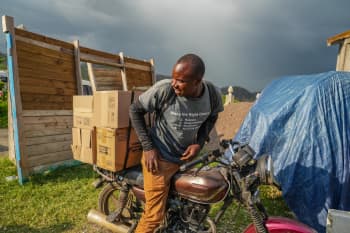
Photo credit: World Central Kitchen (WCK) via Flickr
Photo credit: World Central Kitchen (WCK) via Flickr
This work was supported by the Global Facility for Disaster Reduction and Recovery (GFDRR), a global partnership managed by the World Bank.
Key elements of Jamaica’s disaster risk financing and preparedness efforts were supported through GFDRR programs and partnerships, including with the European Union (EU) through the ACP-EU Disaster Risk Management Program, the ACP-EU Natural Disaster Risk Reduction Program, the EU Caribbean Regional Resilience Building Facility, and the EU-funded EU Resilient Caribbean (EUReCa) program; the Government of Canada through the Canada-Caribbean Resilience Facility, and with the Government of Japan through the Japan–World Bank Program for Mainstreaming Disaster Risk Management in Developing Countries.
For more information
Feature Story
Press Release
Immersive Story Series Lead: Erika Vargas
Designed and Developed by: Yann Kerblat and Erika Vargas
Contributors: Bridget McMillen Jordan, Rossella Della Monica, Ronette Gwendolyn Jordan, Victoria Alexeeva, Penny Bowen, Jevon Minto, and Antonette Grant.
Video and Photo credits: World Bank Group unless otherwise noted.